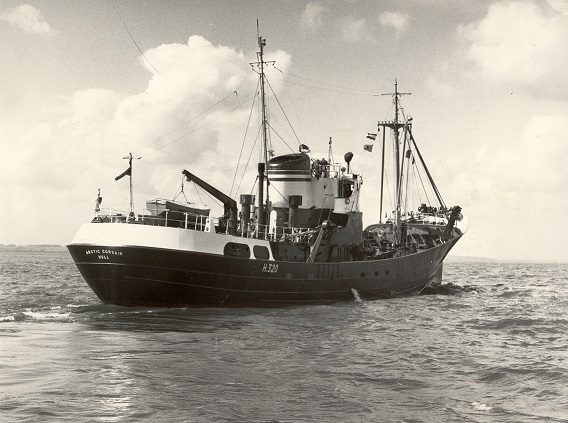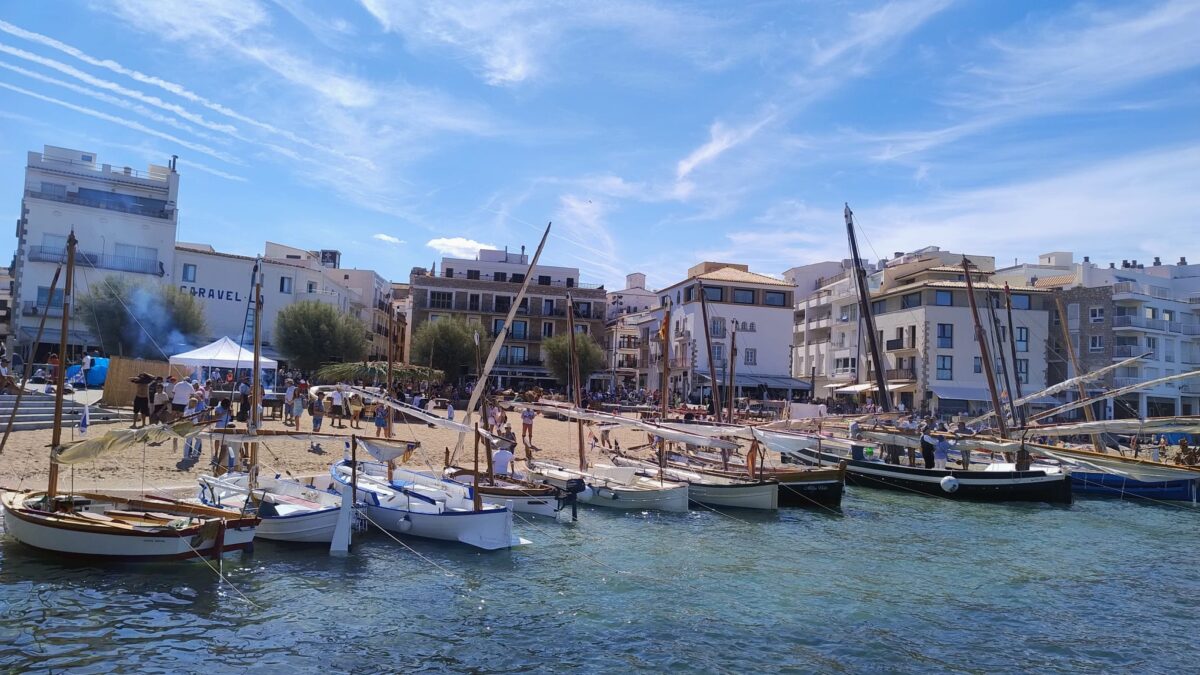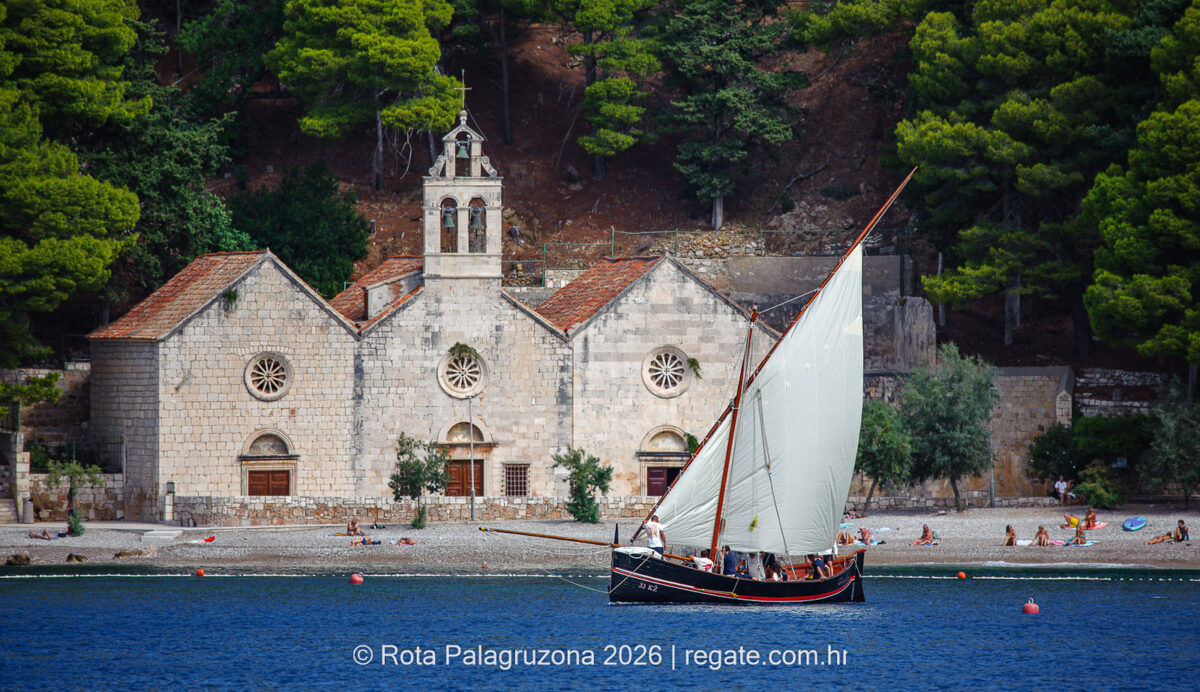
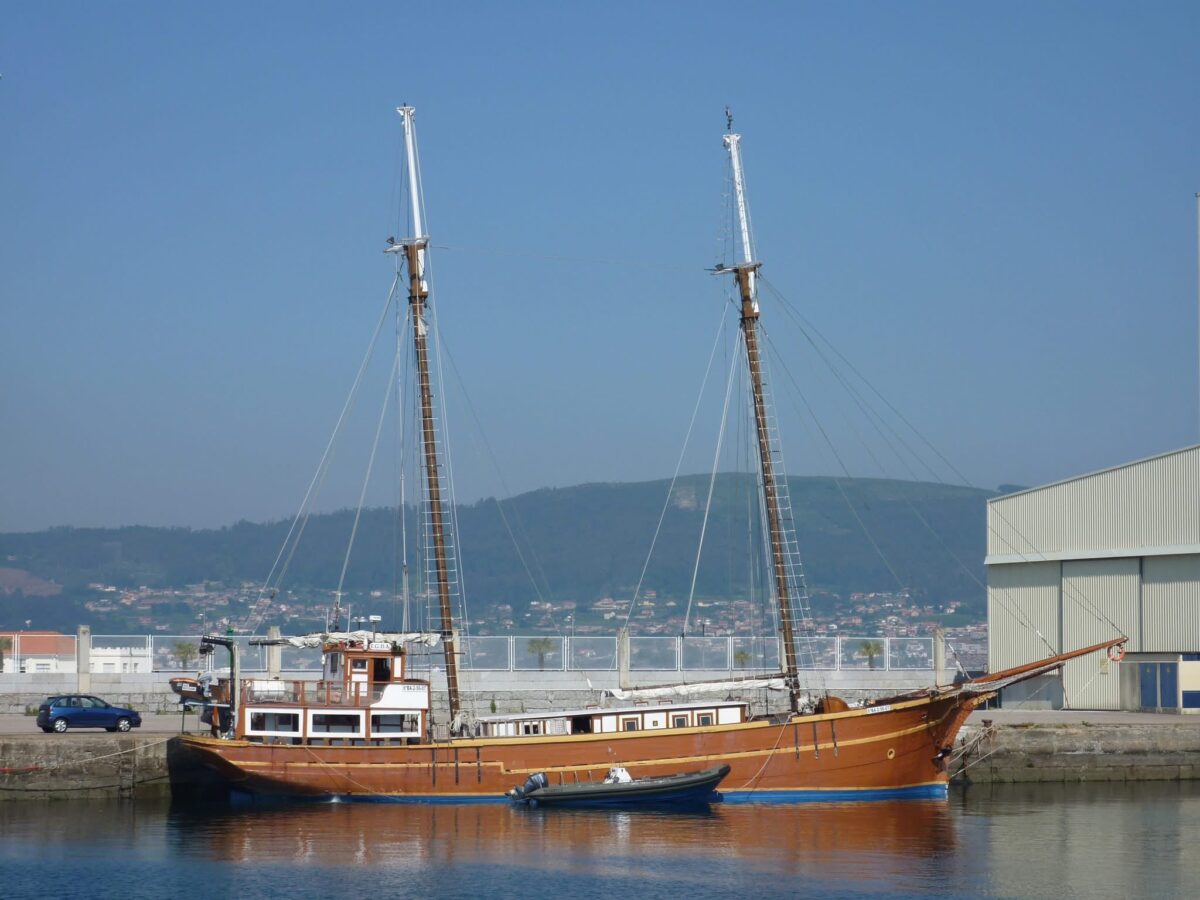
Nostramo was born for coastal trade. In her early years, cocoa, coffee and cement were among the cargoes carried in her holds. Her first name was Nieves, and she belonged to
that generation of wooden sailing vessels that kept small and large ports connected
before modern cargo ships took over.
Later renamed José M. Masiques, she was fitted with a diesel engine and continued
working as a motor sailing vessel. When her commercial days were over, Juan de
Arespacochaga, the last Mayor of Madrid during Franco’s regime, bought her, restored
her as a private yacht and gave her the name Nostramo. For some time she was based in Torrevieja.
In the 1980s she arrived in the Canary Islands. Based in Los Cristianos, Tenerife, she found a completely different job and became one of the pioneering vessels taking visitors out to watch whales and dolphins, when whale watching in the islands was still in its early
days.
In the 1990s Nostramo returned to Galicia. She was restored again, spent some time associated with the aquarium at O Grove and later moved to Vigo, where she was used by a nautical school at Marina Davila Sport.
Her last long voyage began in August 2014. Preparations in Vigo started on 19 August
and, after about a week getting the ship ready, she sailed for the Canary Islands.
Following roughly another week at sea, she reached Las Palmas on 1 September. She
later moved to Gran Tarajal, Fuerteventura. In 2016 she underwent her final repairs at
Puerto Naos, Lanzarote, before returning to Gran Tarajal. She would never leave again.
By 2022 her condition had deteriorated badly. Despite attempts to save her, including our own efforts from Asociación Marítima Estrella Polar, the ship was dismantled that
August following judicial authorisation. Nostramo was included on Hispania Nostra’s
Red List because of her heritage value and the risk of her loss, but this did not provide legal protection.
The Public Prosecutor’s Office later investigated the circumstances of the dismantling and the possible damage to historical heritage. The Canary Islands cultural heritage authorities also recognised that the vessel had heritage value.
Nieves, José M. Masiques, Nostramo: different names, different lives, but the same
wooden ship. She survived for more than a century. Perhaps her story can help us recognise the next Nostramo before it is too late.